Preface
According to the Special Judicial Big Data Report on Divorce Disputes released by the Supreme People’s Court, extramarital affairs rank the third leading cause of breakdown in marital relationship.
As a professional marital and family law firm, Guangdong Wumei Law Firm has handled a large number of divorce dispute cases involving extramarital affairs. Many prominent issues have emerged in practice: how to protect the proprietary rights and moral rights of the legal spouse; how parties who are unwitting third parties safeguard their legitimate rights and interests; and how extramarital affairs may even lead to criminal liability (as reflected in high-profile public cases). These phenomena remind legal practitioners to pay closer attention to the integration of family law and criminal law.
Against this background, we have selected nearly 3,000 judicial judgments involving extramarital relationships and compiled a three-part in-depth big data report on extramarital affairs, which will be released successively in the near future.
We now release Big Data Report No.1:Can properties gifted to a third party in an extramarital relationship be recovered?
Guangdong Wumei Law Firm screened 153 judicial instruments nationwide in recent years, in which one spouse sued the extramarital third party for the return of marital joint property. The analysis covers cause of action, litigation stage, identity of parties, forms of gift, and methods of restitution, aiming to summarize common characteristics of such cases and formulate targeted litigation strategies.
01 Distribution of Causes of Action
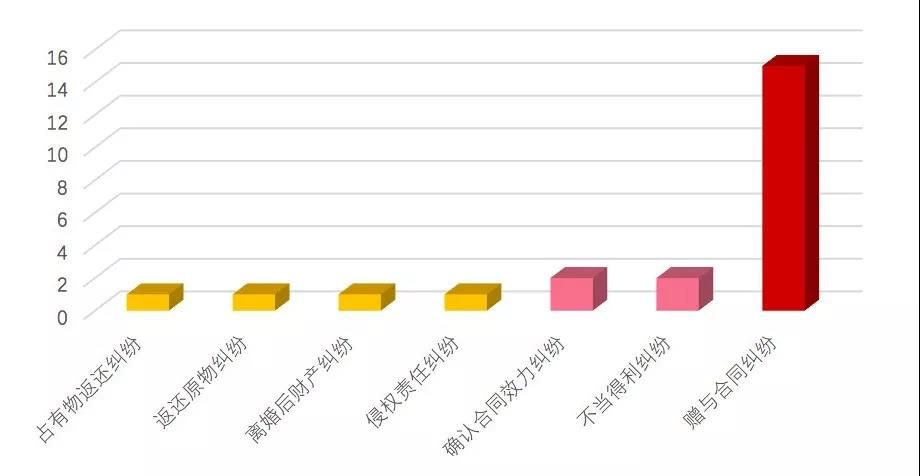
Statistical results show that gift contract disputes account for 65.2%.
confirmation of contract validity disputes, unjust enrichment disputes, and real right disputes each account for 8.7%.
post-divorce property disputes and tort liability disputes take the smallest proportion, each at 4.35%.
Detailed breakdown by sub-cause of action is shown in the chart below.
02 Distribution of Litigation Stages
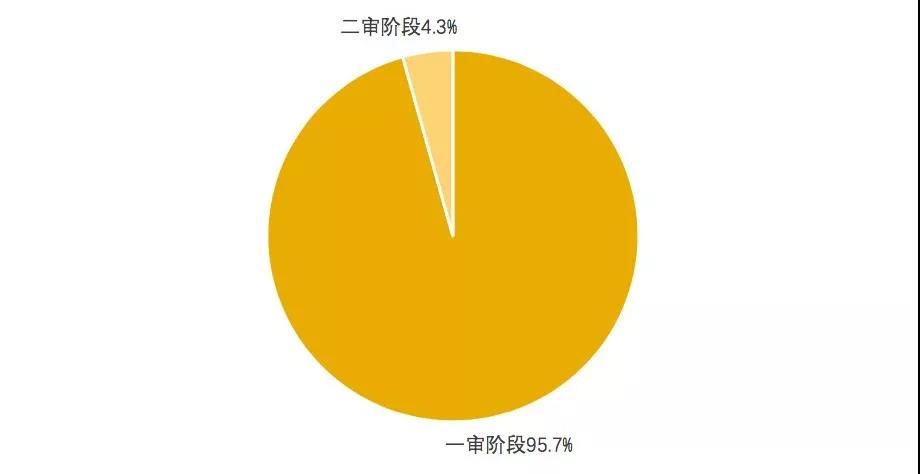
Cases concluded at the first instance stage account for a much higher proportion than those concluded at the second instance. Only 4.3% of cases entered the second instance proceeding.
03 Parties to the Litigation
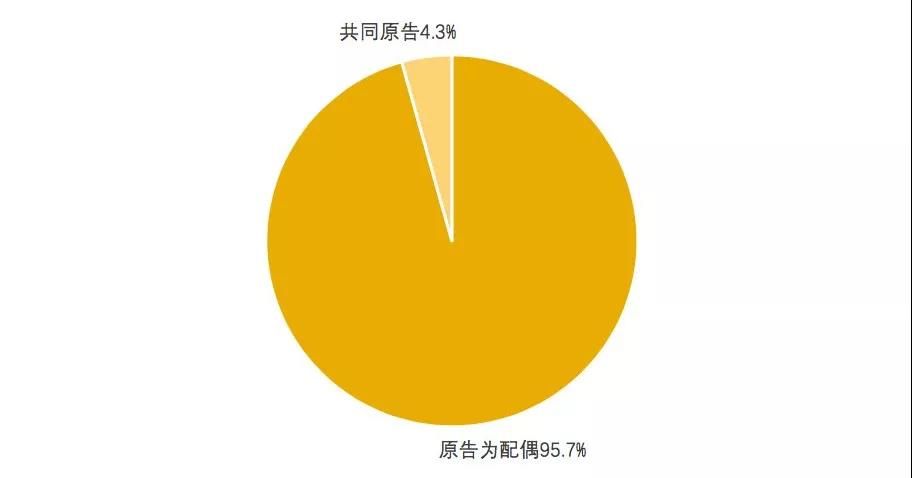
Statistically, 95.7% of plaintiffs are the legal spouse or former spouse individually; 4.3% are joint plaintiffs consisting of both current or former spouses.
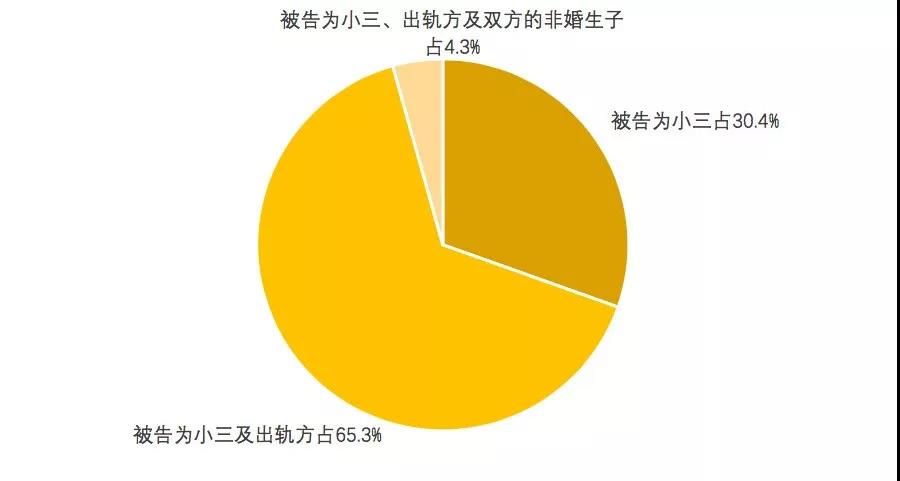
Cases in which the defendants are both the extramarital third party and the cheating spouse rank the highest at 65.3%.
Cases with only the third party as the defendant account for 30.4%.
A small proportion (4.3%) name the third party, the cheating spouse, and their non-marital children as joint defendants.
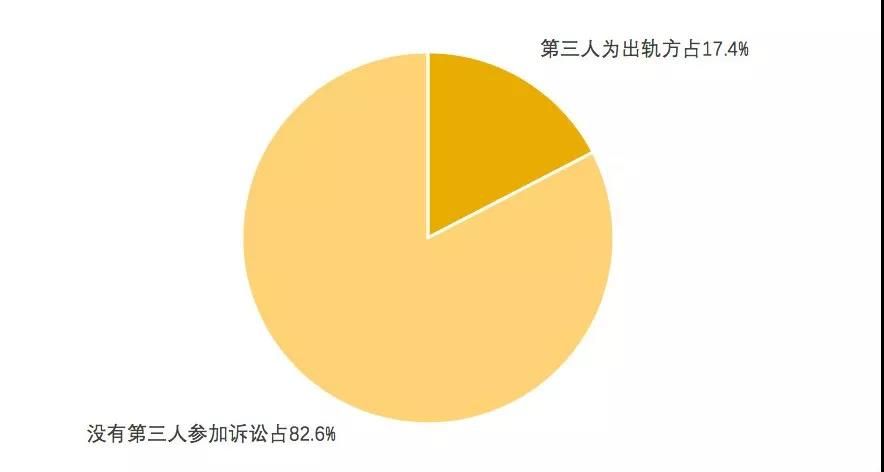
In 17.4% of cases, there is a third party participant to the action, all of whom are the cheating spouse.
04 Subjective Intent of the Third Party
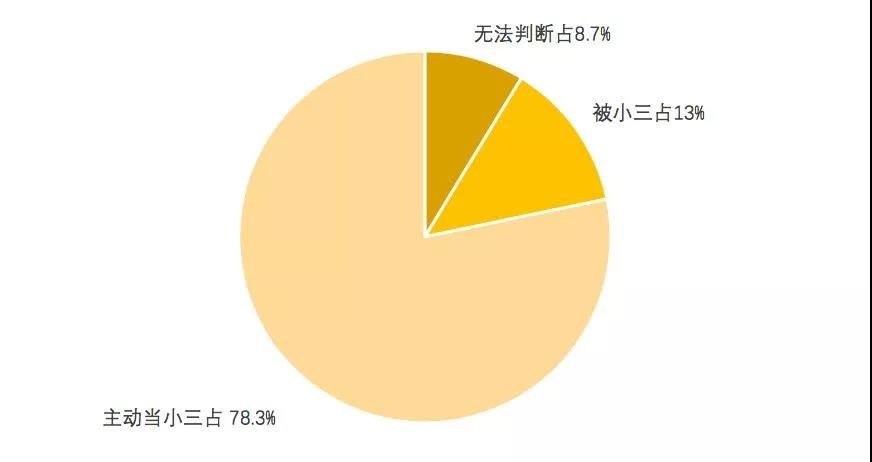
In 78.3% of cases, the third party knowingly entered an extramarital relationship with full awareness that the other party was legally married.
In 13% of cases, the third party was unaware of the existing marriage, namely those known as unwitting third parties.
05 Timing of Extramarital Conduct
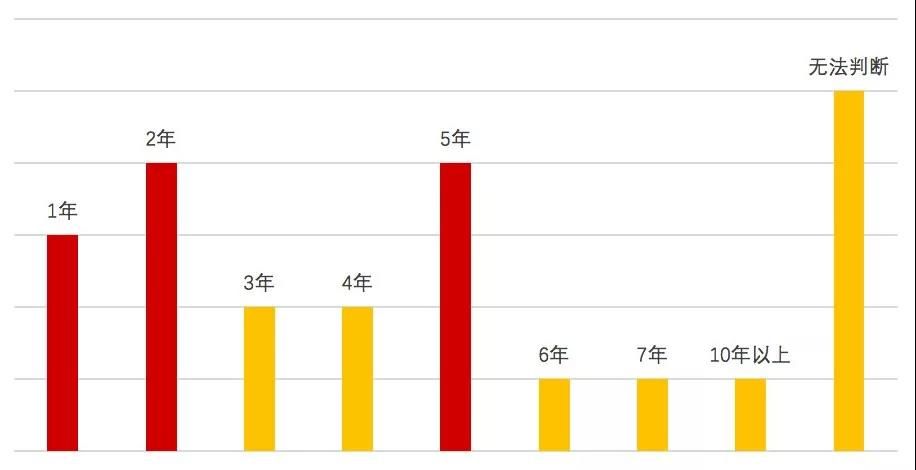
Extramarital affairs most commonly occur in the 2nd and 5th year of marriage, each accounting for 17.4%.
The 1st year of marriage ranks next at 13%.
06 Monetary Amount of Gifts
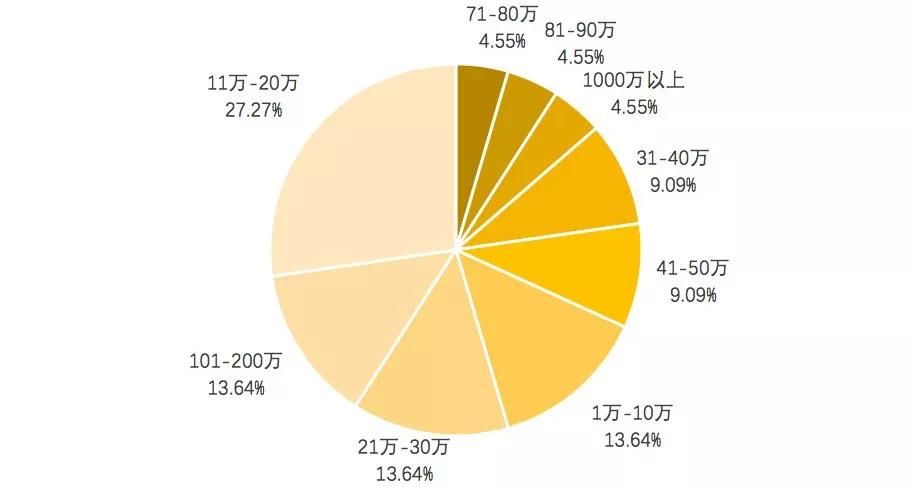
In 81.81% of cases, the total monetary gifts from the cheating spouse to the third party are below RMB 1 million.
The remaining 18.19% involve gifts exceeding RMB 1 million.
07 Purpose of the Fund Transfers
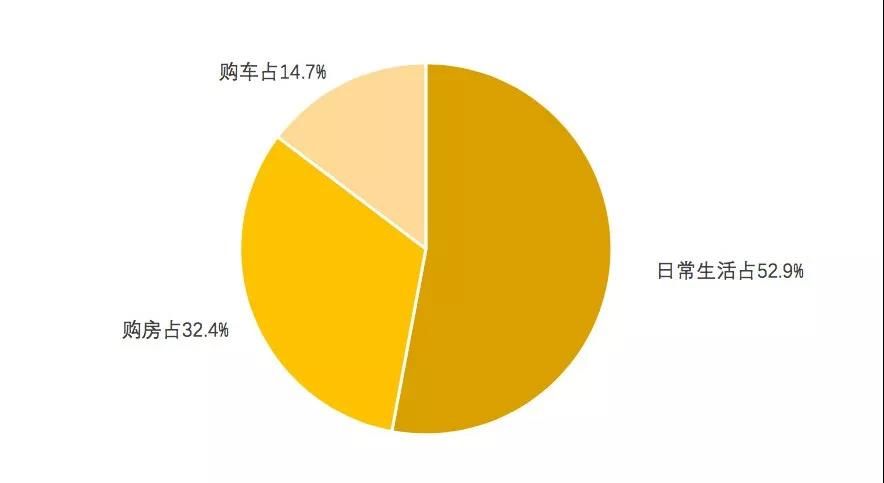
Statistics show that bank transfer is the primary means by which a spouse gifts marital joint property to a third party. In terms of the purpose of such funds: 52.9% are used for the third party’s daily living expenses, 32.4% for purchasing real estate for the third party, and 14.7% for purchasing a motor vehicle for the third party.
Real Estate Purchase for the Third Party
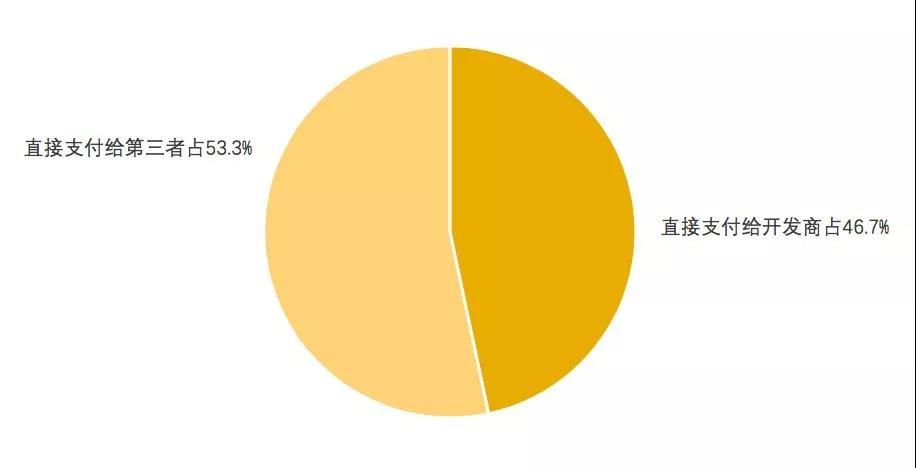
Compared with transferring the ownership of an already purchased house to the third party, the cheating spouse is more inclined to pay the house purchase price by bank transfer. Among relevant cases, 46.7% involve the payment of housing funds directly to real estate developers, while 53.3% involve transferring the purchase funds directly to the third party.
08 Court Recognition of Claimed Property Restitution Amount
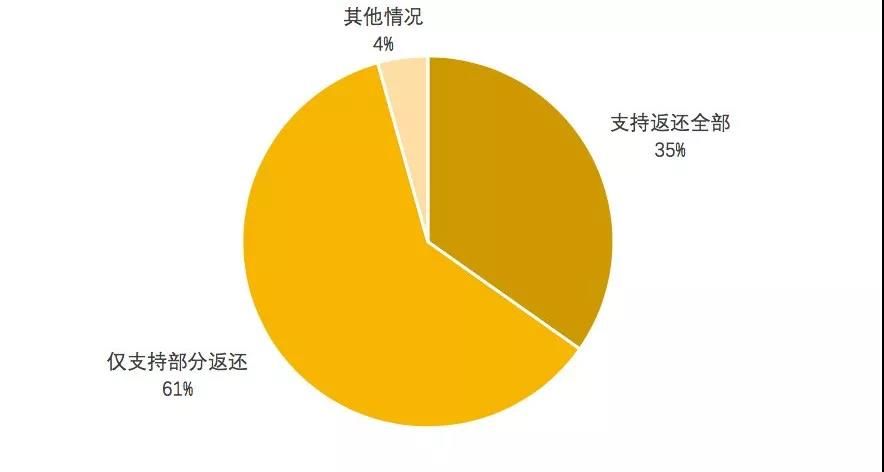
Statistics show that in 35% of cases, the court fully upheld the aggrieved spouse’s claim for the restitution of marital joint property. In such cases, the aggrieved spouse was able to adduce sufficient evidence to prove the exact amount claimed for property restitution.
In 61% of cases, the court upheld the aggrieved spouse’s claim for the return of marital joint property, but only granted partial relief due to the claimant’s failure to adduce sufficient evidence to prove the full amount claimed.
Among these cases, two courts only ordered the return of the aggrieved spouse’s share of the involved marital joint property, holding that the cheating spouse has the right to dispose of his or her own share in the marital joint property. In one case, the court held that the cheating spouse and the third party had incurred certain daily living expenses during cohabitation, and it was impossible to attribute each expense to either party. Accordingly, the court ruled that full restitution of the claimed marital joint property was not required.
Note: All case data are sourced from the Alpha Legal Database. The above statistics are calculated only based on valid judicial cases.



